Best Skiing Camera Features: What to Look for Before Hitting the Slopes
If you love winter sports, a skiing camera can turn an ordinary day on the mountain into a memorable story. Whether you are carving through fresh powder, filming your first black diamond run, or capturing your friends falling into a snowbank, the right camera helps you preserve the thrill of the slopes. But not every action camera is built for skiing. Cold temperatures, bright glare, fast motion, and constant vibration can all affect image quality and usability.
That is why choosing the right skiing camera matters. Before you buy one, it is important to understand which features make a real difference on the mountain. In this article, we will explore the most important skiing camera features to look for before hitting the slopes, so you can choose a device that performs well in snow, wind, and freezing conditions.
1. Excellent Image Stabilization
Skiing is fast, bumpy, and unpredictable. Even experienced skiers create a lot of motion when carving turns, jumping over terrain, or riding chairlifts. Because of this, image stabilization is one of the most essential features in a skiing camera.
Without stabilization, your footage may look shaky, blurry, or hard to watch. A camera with strong electronic image stabilization or advanced anti-shake technology helps smooth out the bumps and vibrations that come with skiing. This is especially useful when the camera is mounted on your helmet, chest, or ski pole.
When comparing cameras, look for terms like:
- Electronic Image Stabilization (EIS)
- Gyro stabilization
- Anti-shake mode
- Horizon leveling
A reliable stabilization system can make your action shots much more professional and enjoyable to watch.
2. High-Quality Video Resolution
A skiing camera should capture crisp, detailed footage. Since ski scenes often include wide mountain views, snow textures, and rapid movement, video resolution is very important. Today, most users look for at least 4K recording, especially if they want sharp footage that remains clear when viewed on larger screens.
Higher resolution gives you more flexibility when editing. You can crop, zoom, or reframe shots without losing too much detail. If you plan to upload clips to YouTube, Instagram, or other social platforms, a high-resolution skiing camera can make your content stand out.
However, resolution is not the only factor. A camera that records in 4K but performs poorly in low light or shaky conditions will not produce great results. For the best experience, look for a balance of resolution, stabilization, and frame rate.
3. Strong Performance in Cold Weather
Winter sports place special demands on electronics. Batteries drain faster in cold temperatures, and some devices become sluggish or unreliable when exposed to freezing conditions. That is why cold-weather performance is a critical consideration when choosing a skiing camera.
A good skiing camera should work consistently in low temperatures without shutting down unexpectedly. Look for devices that are designed for outdoor use and tested in cold environments. Removable batteries are also helpful, since you can carry spares in a warm pocket and swap them out as needed.
If you ski for long sessions, battery life becomes even more important. The last thing you want is for your camera to die just as you are about to take on your best run of the day. A dependable skiing camera should offer enough battery performance to last through a typical ski outing, especially when used in colder weather.
4. Waterproof and Snow-Resistant Design
Snow is water, and a lot of it. Even if you do not plan to fall, your skiing camera will still be exposed to snowflakes, moisture, and condensation from temperature changes. A waterproof or snow-resistant design protects the camera and extends its lifespan.
Many action cameras come with waterproof cases or built-in waterproofing. This is useful not only for skiing but also for other outdoor activities like snowboarding, hiking, biking, and watersports. If your camera is not fully waterproof, you may need a protective housing before taking it into snowy conditions.
Also consider how easy it is to operate the camera while wearing gloves. Buttons that are too small or slippery surfaces can make it difficult to adjust settings on the slope. A practical skiing camera should be durable and user-friendly in winter conditions.
5. Wide-Angle Lens for Capturing the Full Scene
Skiing is not just about the rider. It is also about the mountain, the snow, the sky, and the sense of speed. A wide-angle lens helps capture more of the environment, making your footage feel immersive and dynamic.
A wide field of view is especially useful for:
- Helmet-mounted footage
- First-person skiing videos
- Group shots with friends
- Scenic mountain landscapes
When shooting action sports, a narrow lens may miss important details or make the scene feel cramped. A skiing camera with adjustable field-of-view settings gives you more creative control and helps you choose between a close action perspective and a broader scenic look.
6. Easy Mounting Options
A skiing camera should be easy to mount securely. On the slopes, you may want to attach the camera to your helmet, chest, backpack strap, or ski gear. A reliable camera system should support multiple mounting styles so you can capture different angles.
Common mount types include:
- Helmet mounts
- Chest mounts
- Pole mounts
- Adhesive mounts
- Handheld grip accessories
The best skiing camera is one that stays firmly in place during fast turns and jumps. Loose mounts can ruin footage or even damage the device if it falls. Before buying, check whether the camera is compatible with standard action camera accessories, since this gives you more flexibility and better value.
7. Simple Controls and Quick Access
Skiing is an active sport, so you do not want to spend time fumbling through complicated menus while wearing gloves and standing in the snow. A good skiing camera should have intuitive controls, a clear screen, and quick access to common features like record, stop, and mode switching.
Some helpful features include:
- One-button recording
- Touchscreen interface
- Voice control
- Custom shortcuts
- Easy-to-read status display
The simpler the controls, the easier it is to capture spontaneous moments. A camera that is hard to use can cause you to miss great shots. When skiing, convenience matters just as much as image quality.
8. Long Battery Life and Fast Charging
Battery performance is one of the biggest challenges for any skiing camera. Cold weather naturally reduces battery efficiency, and long days on the mountain can drain power quickly. Look for a camera with a battery system that supports extended use and fast charging.
It is also smart to choose a camera that allows you to carry backup batteries. If possible, keep spare batteries warm in an inside jacket pocket until needed. This small habit can make a big difference during a long ski trip.
Fast charging is another advantage because it helps you get back on the slopes sooner between sessions. If you are recording multiple runs throughout the day, battery management should be high on your checklist.
9. Good Audio or External Microphone Support
While video quality is often the main focus, audio matters too. Skiing footage can be more engaging when it captures the sound of skis on snow, laughter from friends, or the rush of wind on a steep descent. That said, wind noise can overwhelm built-in microphones.
A good skiing camera should either have decent internal audio suppression or support an external microphone for better sound quality. If you mostly film action clips with background music during editing, audio may be less critical. But if you want authentic, immersive ski videos, microphone performance is worth considering.
10. Reliable Storage and Easy File Transfer
Ski trips often generate a lot of footage, especially if you record in high resolution. A skiing camera should support enough storage through microSD cards and offer easy file transfer to your phone, tablet, or computer.
Useful features include:
- Support for high-capacity memory cards
- Fast transfer through Wi-Fi or app connection
- Simple file management
- Quick export for social media
Nothing is more frustrating than running out of storage in the middle of a great run. A camera with efficient storage handling helps you record more and worry less.
Final Thoughts
Choosing the right skiing camera comes down to finding the balance between durability, video quality, stabilization, battery life, and ease of use. Skiing is a fast and demanding environment, so your camera needs to be just as tough and ready as you are. Focus on the features that matter most on the slopes: strong stabilization, 4K video, cold-weather reliability, waterproof design, wide-angle capture, and simple controls.
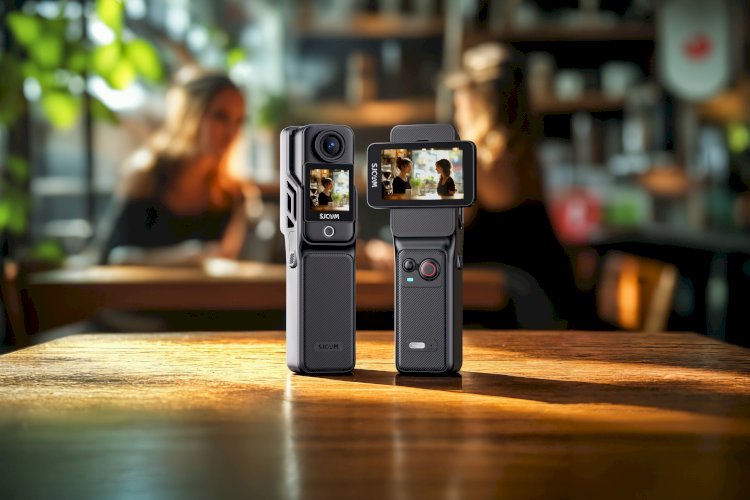
If you want a practical and dependable option, consider the SJCAM C400 action camera. It offers features that fit the needs of winter sports enthusiasts and is a solid choice for anyone looking for a skiing camera that can handle snowy adventures with confidence. Whether you are documenting a ski holiday, creating action content, or simply saving memories from the mountain, the SJCAM C400 is worth checking out before your next trip to the slopes.
What's Your Reaction?