Stop the Blame Game: Why We’re All Responsible for Climate Change, Not Just Big Oil
What if pointing only at producers is keeping us from the fastest fixes we control?
Demand, Not a Single Villain
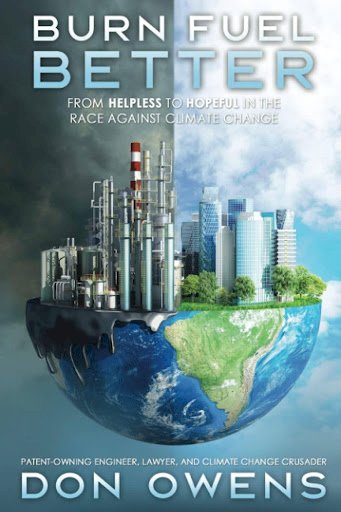
Don Owen’s Burn Fuel Better reframes responsibility: supply follows demand. Our appetite for heat, mobility, and on-demand goods keeps engines running. That daily combustion produces black carbon, a short-lived but super-warming soot that also harms lungs. The author’s message is uncomfortable but empowering—we’re not helpless victims; we’re the demand. If we want fewer emissions, we must change how we burn fuel now.
CO₂ Is the Marathon—Soot Is the Sprint
CO₂ reduction is essential for the long term. But while CO₂ lingers for centuries, black carbon heats intensely while airborne and, when it settles on snow and ice, darkens bright surfaces so they absorb more heat and melt faster. That’s why the book calls black carbon the near-term enemy—and why cutting it is the fastest path from helpless to hopeful.
Waiting for EVs Alone Is “Pissing in the Wind”
Electrification matters, but fleet turnover takes years, and heavy-duty, off-road, marine, and remote power won’t flip overnight. The book argues that relying on future replacements while ignoring current soot is folly; we need a fix now that works with today’s engines.
The “Burn Fuel Better” Fix: Hydrogen-Assisted Combustion
Rules and maintenance help around the margins; they don’t change flame chemistry. The book’s through-line solution is to dose a small, controlled amount of hydrogen into the intake of existing engines. Done right, this:
- Speeds the flame and improves completeness,
- Reduces soot precursors so less black carbon forms,
- Cuts PM nearly in half in testing,
- Fits real fleets as a retrofit with minimal downtime (on-engine H₂ generation from water; fail-safe if off).
This is not “convert everything to hydrogen.” It’s a targeted combustion upgrade for the engines that will be with us for years.
What Shared Responsibility Looks Like
- Operators & fleets: Rank engines by hours × proximity to people. Pilot hydrogen-assist on the top five units and publish before/after PM data.
- Ports & cities: Pair EV investments with hydrogen-assist retrofits for school buses, yard tractors, and harbor craft; sequence by exposure and fuel burned.
- Policy & procurement: Tie grants/contracts to verified reductions (opacity/PM), not equipment model names; require transparent reporting.
- All of us as customers: Consolidate deliveries when possible, support anti-idling enforcement, and back near-term hydrogen-assist programs in your community.
Why This Fits the Real World
Heavy-duty equipment isn’t replaced on a 12-month cycle. Hydrogen-assist respects budgets and uptime: on-engine generation, metered intake dosing, retrofit installs, and normal operation if the system is off. It complements long-term electrification by delivering near-term air-quality and climate wins with the engines we already rely on.
Blame doesn’t cool a city or clear a school’s air. Changing the flame does. By making hydrogen-assist the standard for “burn fuel better,” we cut black carbon and PM where they start, prove the results, and scale what works—while we build the long-term transition. That’s the book’s route from helpless to hopeful.
Grab your copy now.
What's Your Reaction?