The Sustainable Harvest: Powering UK Agriculture in 2026
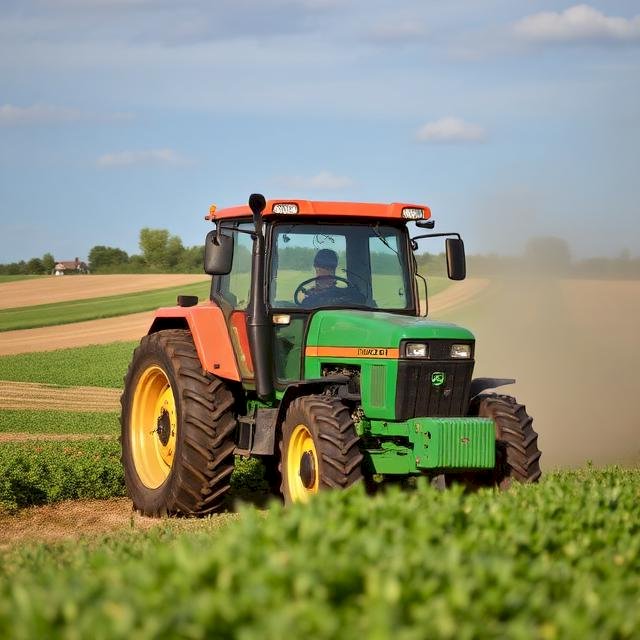
In 2026, the British agricultural landscape is undergoing a radical energy transformation, driven by aggressive net-zero targets and a shifting global fuel market. For the modern farmer, the relationship with a farm fuel supplier has evolved from simple bulk ordering to a strategic partnership focused on carbon reduction, long-term storage stability, and energy security. Suppliers today must balance the logistical demands of peak agricultural seasons with the rising necessity of renewable alternatives like HVO fuel, all while maintaining their critical role as domestic oil suppliers for the rural households that form the heart of the farming community.
The Strategic Role of the Modern Farm Fuel Supplier

As of early 2026, the UK fuel market has entered a phase where logistical intelligence is as vital as the product itself. A reliable farm fuel supplier now provides a digital-first approach to energy management, utilizing advanced delivery technology to streamline processes and enhance the customer experience.
-
Operational Resilience: Leading suppliers prioritize service and security of supply, ensuring that critical operations are never halted by fuel shortages during peak harvest or planting windows.
-
Asset Maintenance: Specialist firms now work more closely with distributors to keep fuel infrastructure safe and operational through improved maintenance and compliance projects.
-
Consultative Expertise: Modern suppliers act as a "transition bridge," helping businesses navigate decarbonization by offering a diverse product mix that includes both traditional and renewable fuel types.
Transitioning to HVO Fuel: The Drop-In Revolution

The most significant shift in 2026 is the transition of HVO fuel (Hydrotreated Vegetable Oil) from a niche alternative to a cornerstone of industrial and agricultural decarbonization. As a second-generation, paraffinic renewable diesel, HVO offers a practical, low-carbon route that requires no operational disruption.
-
Immediate Carbon Impact: Utilizing HVO allows organizations to reduce their net CO2 emissions by up to 90% without the need for costly engine modifications.
-
Infrastructure Compatibility: As a "drop-in" replacement, HVO is virtually chemically identical to fossil diesel and can be blended in greater volumes, adhering to the EN 15940 standard for paraffinic fuels.
-
Superior Storage Longevity: Because HVO contains no impurities, FAME, or sulphur, it resists the "diesel bug" and can be stored for up to 10 years in proper conditions—far exceeding the 1-year shelf life of regular diesel.
-
Extreme Weather Performance: With a cloud point typically around -32°C (and as low as -42°C for some variants), HVO remains stable in freezing conditions that would cause standard diesel to gel.
While HVO fuel premiums reached highs in late 2025, early 2026 has seen a stabilization in prices, though they generally remain 10–15% higher per litre than fossil diesel.
Supporting Rural Communities: Domestic Oil Suppliers

The influence of these fuel providers extends beyond the tractor, as they often serve as the primary domestic oil suppliers for the 1.7 million homes across the UK and Ireland heated by liquid fuel.
-
The Future of Home Heating: Industry bodies like UKIFDA are actively trialing HVO in domestic settings, demonstrating that renewable liquid fuels offer a more cost-effective and less disruptive alternative to heat pumps for rural properties.
-
Policy Progress in 2026: There is significant hope in the sector that the Renewable Liquid Heating Fuel Obligation (RLHFO) will be fully implemented in 2026, finally allowing off-grid households to decarbonize affordably.
-
Community Integration: By managing bulk solutions for farms alongside village buying groups, these suppliers ensure that isolated communities remain heated through cold winters while moving toward a net-zero future.
Conclusion: A Multi-Fuel Future for British Farming

The agricultural sector in 2026 is no longer reliant on a single fuel source. The successful farm of the future is powered by a diverse energy mix, managed by a versatile farm fuel supplier who can provide traditional distillates for legacy machinery, high-performance HVO fuel for sustainability mandates, and reliable kerosene through their role as domestic oil suppliers. As technology continues to evolve, these liquid fuel solutions provide the necessary flexibility to reach environmental goals without sacrificing productivity.
What's Your Reaction?