What are the first warning signs of type 2 diabetes?
Every 23 seconds, someone in the United States is diagnosed with diabetes. From the fast-paced streets of New York to the growing communities of Houston and the sunny suburbs of Los Angeles, this condition is impacting millions of families. Whether you're living in Chicago, Phoenix, or Miami, the risk is present, and it often begins with subtle symptoms that people mistake for simple fatigue, stress, or ageing.
Diabetes mellitus (DM) is a long-term metabolic disorder that disrupts the body's regulation of blood glucose levels. Among its different types, Type 2 diabetes accounts for approximately 90–95% of all diagnosed diabetes cases in the United States. Unlike Type 1 diabetes, which results from an autoimmune destruction of insulin-producing cells, Type 2 diabetes develops gradually. It occurs when the pancreas does not produce sufficient insulin or when body tissues become insulin-resistant.
The development of Type 2 diabetes is strongly associated with excess body weight, sedentary lifestyle, genetic susceptibility, and long-term dietary patterns high in refined carbohydrates and processed foods. However, early identification significantly improves outcomes. With timely intervention, structured lifestyle modification, and appropriate medical management, the condition can often be controlled effectively. In some individuals, blood sugar levels can return to a non-diabetic range.
In this guide, we will examine the earliest warning signs of Type 2 diabetes, clarify how the disease progresses, outline practical dietary strategies, and review modern treatment options, including Rybelsus medication, an evidence-based oral GLP-1 receptor agonist therapy for Type 2 diabetes. We will also address the most frequently asked questions currently raised by patients across the U.S. regarding prevention, medication, and long-term management.
What Is Type 2 Diabetes? Understanding the Basics
In simple terms, Type 2 diabetes is a health condition where the body has difficulty managing blood sugar levels.
Here’s how it typically unfolds:
When you consume food, your blood sugar, also known as glucose, increases.
• The pancreas then produces a hormone called insulin, which helps the body’s cells take in glucose for energy.
• In Type 2 diabetes, the cells may not respond properly to insulin (a condition referred to as insulin resistance), or the pancreas might not make enough of it.
• When this happens, glucose remains in the bloodstream rather than being absorbed by the cells, leading to elevated blood sugar levels over time.
Type 2 diabetes is medically referred to as type 2 diabetes mellitus.
If not properly managed, this condition can lead to serious complications, including damage to the heart, kidneys, eyes, and nerves. This is why identifying the condition early is essential.
According to the Centers for Disease Control and Prevention (CDC), more than 38 million people in the United States currently have diabetes, and an additional 98 million are living with prediabetes — many of them unaware of their condition.
In cities such as Dallas, Atlanta, and Philadelphia, local health initiatives are focusing more on early screening because of this growing concern.
In this guide, we will explore the initial symptoms of Type 2 diabetes, explain how the disease progresses, provide practical dietary advice, and discuss current treatment options, including Rybelsus, an evidence-based oral medication that works as a GLP-1 receptor agonist for the
treatment of Type 2 diabetes. We will also cover the most commonly asked questions by patients in the United States regarding prevention, medication, and long-term care.
In this guide, we will examine the earliest warning signs of Type 2 diabetes, clarify how the disease progresses, outline practical dietary strategies, and review modern treatment options, including Rybelsus, an evidence-based oral GLP-1 receptor agonist therapy for Type 2 diabetes. We will also address the most frequently asked questions currently raised by patients across the U.S. regarding prevention, medication, and long-term management.
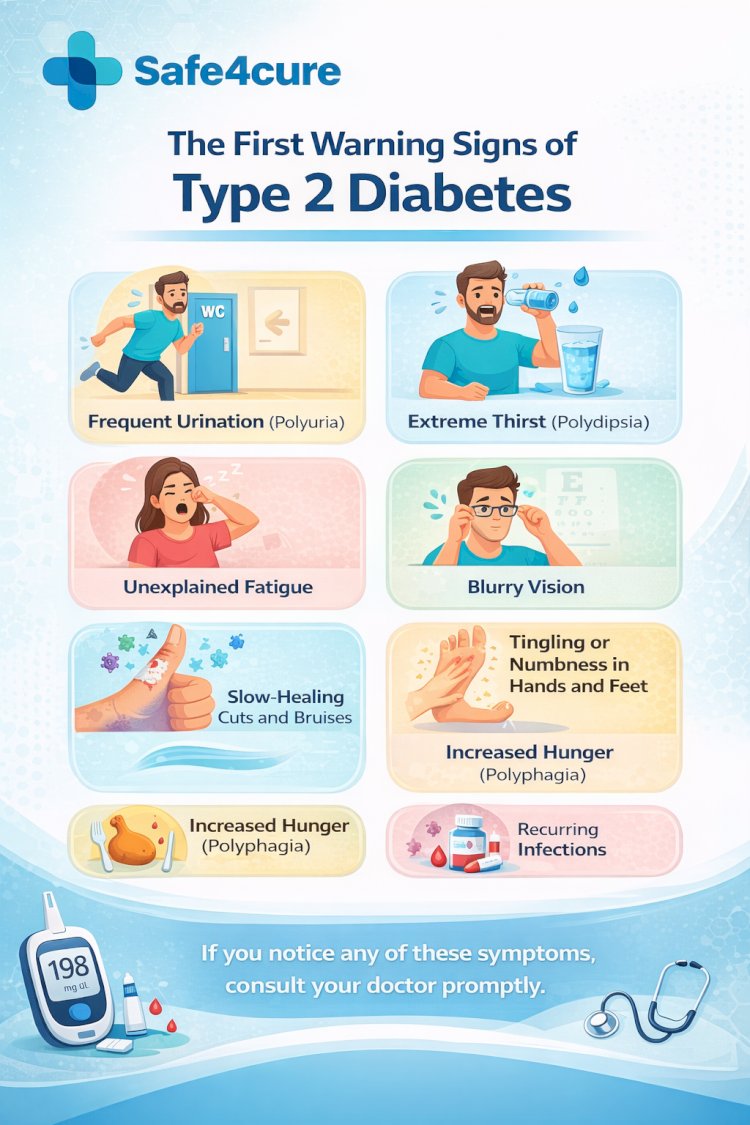
The First Warning Signs of Type 2 Diabetes
The symptoms of type 2 diabetes usually develop gradually, making it difficult to notice at first.
Many individuals in cities such as Seattle, Denver, or San Antonio may have had early-stage diabetes for years without realizing it. Here are the warning signs that should not be overlooked:
1.Frequent Urination (Polyuria)
When blood sugar levels are too high, the kidneys try to remove the extra glucose from the body through urine.
This process requires more fluid, leading to increased urination. If you find yourself needing to wake up several times during the night to use the bathroom, it may be an early sign that needs attention.
2.Extreme Thirst (Polydipsia)
The frequent urination can cause dehydration, which leads to a strong and persistent thirst.
Drinking more water does not always relieve the feeling, and this cycle of thirst and urination is one of the classic early signs of type 2 diabetes.
3. Unexplained Fatigue
Because the cells in the body are not receiving enough glucose for energy, you may feel tired even after a full night’s sleep.
People in fast-paced urban areas such as Boston or San Francisco may initially attribute this tiredness to a busy lifestyle, missing this important signal.
4. Blurry Vision
High blood sugar levels can pull fluid from the lenses of your eyes, making it harder to focus clearly.
If your vision has suddenly become blurry without an obvious reason, it’s important to see a doctor right away.
5. Slow-Healing Cuts and Bruises
Elevated blood sugar can damage blood vessels and weaken the immune system, slowing down the healing of wounds.
If a small cut takes a long time to heal, it could be a sign of diabetes.
6. Tingling or Numbness in Hands and Feet
Too much glucose in the blood can harm the nerves, especially those in the hands and feet, causing a tingling or numb feeling.
This symptom may appear in the early stages of the condition and should not be ignored.
7. Increased Hunger (Polyphagia)
Even after eating a full meal, your body may not be able to properly use the glucose from food for energy.
This can lead to constant feelings of hunger, as your body continues to send signals for more food.
8. Recurring Infections
High blood sugar can create an environment that allows bacteria and fungi to grow more easily, leading to frequent infections such as yeast infections, urinary tract infections, or skin infections.
Signs of Type 2 Diabetes in Women
Women may experience specific or more noticeable symptoms of type 2 diabetes, and these signs should be treated with care. Some common indicators that women with type 2 diabetes might face include:
- Frequent vaginal yeast infections, which can result from high blood sugar levels that promote fungal growth
- Recurring urinary tract infections (UTIs)
- Polycystic ovary syndrome (PCOS), which is often connected to insulin resistance
- Issues related to sexual health, such as reduced sexual interest or vaginal dryness
- Depression, which is more commonly observed in women with diabetes
- A previous diagnosis of gestational diabetes, as women who had diabetes during pregnancy are at a greater risk of developing type 2 diabetes later in life
Health professionals in cities such as Charlotte, Nashville, and Portland recommend that women who are at higher risk, especially those with a family history of diabetes or PCOS, should have annual screenings for type 2 diabetes.
What Causes Diabetes Type 2?
Understanding what causes type 2 diabetes is important because several of these causes are within your control. The key risk factors include:
- Obesity and excess body weight, especially around the abdomen
- Physical inactivity — a sedentary lifestyle is one of the biggest contributors
- Genetics and family history of diabetes
- Age — risk increases significantly after age 45
- Race and ethnicity — African Americans, Hispanic/Latino Americans, Native Americans, and Asian Americans face a higher risk.
- Prediabetes — blood sugar that is higher than normal but not yet in the diabetic range
- High blood pressure, high cholesterol, or a history of heart disease
Type 2 Diabetes Food: What to Eat and What to Avoid
Food is one of your most powerful tools for managing or even reversing Type 2 diabetes. Here is a practical breakdown:
Foods That Help:
- Non-starchy vegetables — broccoli, spinach, kale, peppers, cauliflower
- Lean proteins — grilled chicken, turkey, fish, eggs, tofu
- Healthy fats — avocado, olive oil, nuts, seeds
- Berries — blueberries, strawberries, raspberries (low glycemic index)
- Foods to Limit or Avoid:
- Sugary drinks — sodas, fruit juices, energy drinks
- White bread, white rice, pastries, and refined carbohydrates
- Processed snacks — chips, cookies, crackers
- Fast food is loaded with saturated fats and hidden sugars.
- Alcohol in excess — it can unpredictably alter blood sugar.
Many registered dietitians across the U.S., from clinics in Minneapolis to health centers in Tampa, recommend the Mediterranean Diet or the DASH Diet as excellent frameworks for managing blood sugar naturally.
Is Type 2 Diabetes Curable — Or Can It Be Reversed?
This is probably the question most Americans want answered: Is type 2 diabetes curable?
The medical community is careful with the word 'cure' — but the evidence for remission is compelling. Can Type 2 diabetes be reversed? Yes, in many cases, absolutely. Remission means your blood sugar levels return to normal ranges without requiring medication.
Studies show that significant weight loss (10–15% of body weight), combined with regular physical activity and dietary changes, can put Type 2 diabetes into full remission, particularly in the early stages. Bariatric surgery has also shown impressive results for reversal in severely obese patients.
However, it is important to understand that even in remission, the predisposition does not disappear. Sustained lifestyle commitment is essential for maintaining normal blood sugar levels in the long term.
Rybelsus for Type 2 Diabetes: What You Need to Know
In recent years, a breakthrough medication called Rybelsus has been generating significant buzz in the diabetes treatment world — from endocrinology clinics in New York to primary care offices in Los Angeles.
Rybelsus (semaglutide) is a once-daily oral GLP-1 receptor agonist used alongside diet and exercise to improve glycemic control in adults with type 2 diabetes. The Rybelsus brand name is widely recognized and belongs to the class of glucagon-like peptide-1 (GLP-1) receptor agonists.
How Does Rybelsus Work?
Rybelsus is a glucagon-like peptide-1 (GLP-1) receptor agonist. It works in the following ways:
It encourages your pancreas to release more insulin when your blood sugar levels are elevated.
It decreases the amount of glucagon that is released, which helps lower blood sugar levels.
It slows the rate at which your stomach empties, which can help prevent sharp increases in blood sugar after eating.It can also help reduce your appetite and support weight loss.
One important feature of Rybelsus pills for the treatment of type 2 diabetes is that it is taken as a pill, unlike some other GLP-1 medications that needed to be injected.
This makes it easier for people of all ages to take as part of their diabetes management plan.
The Type 2 Diabetes Crisis in the United States: Key Facts
The United States faces one of the most significant diabetes burdens in the developed world. Here are some key statistics and insights specific to the American context:
- Over 38 million Americans — roughly 1 in 9 — have diabetes, with the vast majority being Type 2.
- Nearly 1 in 3 American adults has prediabetes, and 8 out of 10 of them don't know it.
- Southern states — including Mississippi, Louisiana, Alabama, and West Virginia — have the highest rates of diabetes, an area sometimes called the 'Diabetes Belt.'
- Cities like Detroit, Memphis, and El Paso have significant populations dealing with diabetes alongside socioeconomic barriers to healthcare access.
- The annual economic cost of diagnosed diabetes in the U.S. is estimated at over $327 billion, including direct medical costs and lost productivity.
Major U.S. insurance providers are increasingly covering GLP-1 receptor agonists like Rybelsus (semaglutide) due to their proven effectiveness in blood sugar control and weight management.
Final Thoughts: Don't Wait for a Crisis
Type 2 diabetes is a serious, life-altering condition but it is also one of the most preventable and manageable chronic diseases we face as a nation. Whether you're in New York City, Los Angeles, Chicago, Houston, or any town in between, the steps to protect yourself are the same: pay attention to your body's signals, get regular blood sugar screenings, eat well, stay active, and work closely with your healthcare provider.
If you're already diagnosed, know that this is not the end of the road. With the right tools from dietary changes to medications like Rybelsus (semaglutide) you can lead a full, healthy life. And if reversal is possible for you, early action is your greatest advantage.
What's Your Reaction?