Why Snoring Happens: Anatomy, Lifestyle, and Sleep Factors
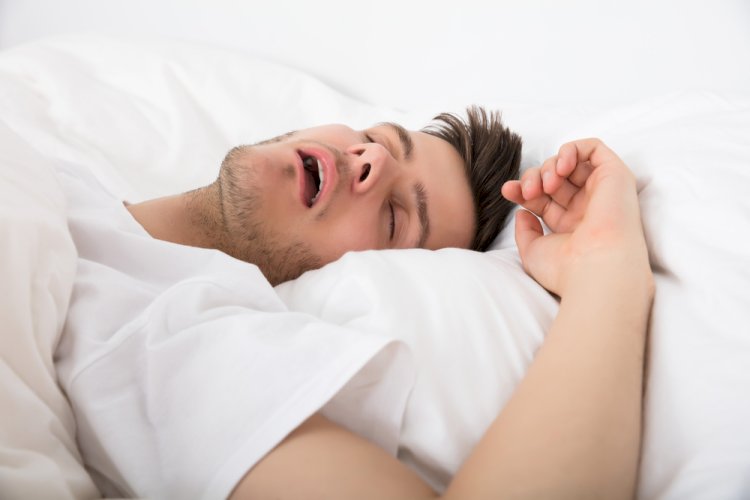
Snoring is something many people live with for years without giving it much thought. It is often laughed off as a harmless habit or blamed on a long day or deep sleep. However, persistent snoring can be your body’s way of signaling that something is not quite right. Understanding the health risks from loud snoring starts with learning why snoring happens in the first place and what factors contribute to it.
Snoring occurs when airflow through the upper airway becomes partially blocked during sleep. This blockage causes the surrounding tissues to vibrate, creating the sound we recognize as snoring. While the noise itself may seem minor, the underlying causes can vary widely and sometimes point to more serious concerns.
The Role of Anatomy in Snoring
Your physical structure plays a major role in whether or not you snore. The size and shape of your airway, jaw, tongue, and nasal passages all affect how easily air can move while you sleep.
Airway Size and Shape
A narrow airway makes it harder for air to pass through smoothly. When airflow becomes restricted, tissues in the throat vibrate more easily, leading to snoring. Some people naturally have smaller airways due to genetics, which increases their likelihood of snoring.
Tongue and Soft Tissue Position
During sleep, especially deep sleep, the muscles of the tongue and throat relax. If the tongue falls back toward the throat, it can partially block the airway. Extra soft tissue in the throat can also contribute to obstruction, particularly in individuals with excess weight.
Jaw Structure and Alignment
The position of the jaw influences how open the airway remains during sleep. A recessed or misaligned jaw can reduce space in the airway, making breathing more difficult and increasing the chances of snoring.
Nasal and Sinus Factors That Contribute to Snoring
Nasal breathing is an important part of healthy sleep. When the nose is blocked or restricted, mouth breathing becomes more common, which increases the risk of snoring.
Chronic Nasal Congestion
Allergies, sinus infections, or chronic inflammation can narrow the nasal passages. This forces air to move more forcefully through the throat, increasing tissue vibration.
Structural Nasal Issues
Conditions such as a deviated septum or nasal polyps can reduce airflow through the nose. These structural issues often make snoring worse and may require medical evaluation.
Lifestyle Habits That Increase Snoring
Daily habits have a significant impact on how well you breathe at night. Certain lifestyle choices can relax airway muscles or increase inflammation, making snoring more likely.
Alcohol Consumption
Alcohol relaxes the muscles of the throat and tongue. When consumed close to bedtime, it increases the chance of airway collapse and louder snoring.
Smoking and Tobacco Use
Smoking irritates and inflames the airway tissues. This swelling narrows the airway and increases vibration during breathing, contributing to chronic snoring.
Weight and Physical Activity
Excess body weight, particularly around the neck, places additional pressure on the airway. This reduces airflow and makes snoring more common. Regular physical activity and maintaining a healthy weight can reduce this risk.
Sleep Position and Snoring
How you sleep can greatly affect whether or not you snore.
Back Sleeping and Airway Collapse
Sleeping on your back allows gravity to pull the tongue and soft tissues toward the back of the throat. This position increases airway obstruction and is a common cause of loud snoring.
Side Sleeping Benefits
Sleeping on your side helps keep the airway open by preventing the tongue from collapsing backward. Many people notice a significant reduction in snoring simply by changing sleep positions.
The Connection Between Snoring and Sleep Apnea
Snoring is often linked to obstructive sleep apnea, a condition where breathing repeatedly stops and starts during sleep.
Warning Signs to Watch For
Loud snoring combined with choking sounds, gasping for air, morning headaches, or excessive daytime sleepiness may indicate sleep apnea. This condition disrupts sleep and reduces oxygen levels in the body.
Health Risks of Untreated Sleep Apnea
Untreated sleep apnea increases the risk of high blood pressure, heart disease, stroke, and metabolic disorders. While not all snorers have sleep apnea, ongoing loud snoring should never be ignored.
Age and Hormonal Changes
As people age, muscle tone decreases throughout the body, including in the throat. This natural relaxation makes airway collapse more likely during sleep. Hormonal changes, particularly during menopause, can also influence airway stability and contribute to snoring.
Environmental and Sleep Quality Factors
Your sleep environment can play a role in snoring.
Dry Air and Allergens
Dry air can irritate the nasal passages and throat, while allergens such as dust and pet dander can trigger congestion. Both factors can increase snoring frequency.
Poor Sleep Hygiene
Irregular sleep schedules and poor sleep quality can lead to deeper, more fragmented sleep stages where airway muscles relax excessively, increasing snoring.
When Snoring Becomes a Health Concern
Occasional snoring is common and usually harmless. However, chronic loud snoring that disrupts sleep or is accompanied by other symptoms should be evaluated by a healthcare professional.
Early assessment helps identify underlying causes and prevents long-term health complications.
Conclusion
Snoring is influenced by a combination of anatomy, lifestyle habits, and sleep-related factors. While it may seem like a minor issue, persistent snoring can signal airway obstruction and increase the risk of more serious sleep disorders. Understanding why snoring happens is the first step toward better sleep and improved health.
If snoring is affecting your rest or your loved ones, seeking expert evaluation can make a meaningful difference. With personalized guidance and snoring care at Denver sleep center, you can address the root causes of snoring and enjoy quieter, healthier sleep.
What's Your Reaction?