Dust Collector Filter Cartridge Sizing: 10 Measurements You Should Check

Getting cartridge sizing wrong is one of those mistakes that doesn't show up right away. Your dust collector filter cartridge fits fine on day one, then three months later airflow's down, pressure drop is climbing, and nobody can figure out why. Usually it's sizing. Not the brand, not the media, just plain old dimensions that got guessed at instead of measured. Let's walk through what actually matters before you order replacement cartridges for your system.
Why Dust Collector Filter Cartridge Sizing Matters So Much
A cartridge that's even slightly off, diameter, length, doesn't matter which, can throw your whole airflow calculation sideways. Too small and you lose surface area, meaning more frequent cleaning cycles and higher pressure drop. Too big and it might not seat properly, leaving gaps where unfiltered dust sneaks through. This isn't just a dust collection issue either, the same logic shows up with hydraulic filters, where a fraction of an inch in the wrong spot causes bypass and premature wear on the whole hydraulic filtration system.
Start With Overall Diameter and Length
Outer diameter and cartridge length are the two most obvious measurements, and yet people still eyeball them constantly. Measure the existing cartridge if you have one, don't just trust the spec sheet from whoever installed it originally. Equipment gets swapped, housings get modified, and suddenly the "standard" size isn't standard anymore. A tape measure takes thirty seconds. Guessing wrong costs you a return shipment and a week of downtime, which nobody wants.
Inner Core Diameter Can't Be Ignored
The inner core, sometimes called the support tube diameter, determines airflow through the center of the cartridge. Get this wrong and you either can't mount it on the cage or tie rod, or you get excess play that causes vibration damage over time. Filter cartridge sizing guides often skip this measurement because it seems minor. It's not. Loose-fitting cores wear out gaskets fast, and that leads to leaks nobody notices until efficiency drops.
Pleat Count and Pleat Depth Affect Surface Area
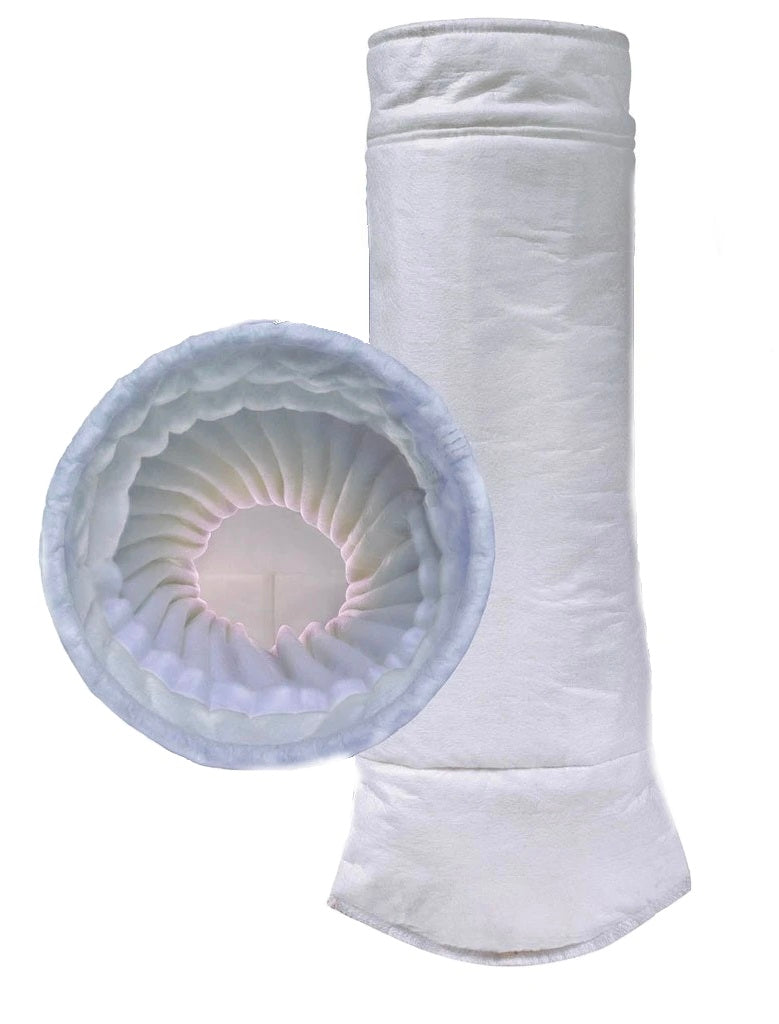
This is where people start ignoring the numbers because it feels technical. But pleat count and depth directly control how much filtration surface area you're actually getting, which affects pressure drop and service life. More pleats packed tighter isn't automatically better either, airflow can get restricted if pleats are too dense for the dust loading in your application. It's a balance, and honestly, checking manufacturer pleat specs beats trial and error every time.
Gasket Type and Thickness Determine Fit
Gaskets seem like an afterthought until you've got bypass leaks eating your efficiency numbers alive. Foam gaskets, flat gaskets, molded urethane, they all compress differently, which changes how snug your cartridge sits against the housing. Measure gasket thickness before ordering, especially if you're switching suppliers. A quarter inch difference sounds small, sounds trivial almost, but it's often the exact reason a "compatible" replacement cartridge won't actually seal right in the real world.
Flange Configuration Needs Careful Checking
Open-open, open-closed, closed-closed, flange configurations aren't universal, and mixing them up is a classic rookie mistake. Some housings need a specific end configuration to seat the cage properly and maintain airflow direction. This matters just as much in hydraulic filtration setups, where flange or end-cap mismatches cause similar sealing failures. Always confirm configuration against your housing drawing, not just against what the old cartridge looked like when you pulled it.
Micron Rating Isn't a Measurement You Can Skip
Technically not a physical dimension, but it belongs on this list anyway because it changes everything else about performance. A dust collector filter cartridge rated too coarse lets fine particulate through, while one rated too fine clogs faster and increases pressure drop dramatically. Match micron rating to your actual dust characteristics, wood dust behaves nothing like metal fines or cement dust. Same principle applies with hydraulic filters, rating mismatches cause either contamination bypass or premature clogging.
Airflow Capacity and CFM Rating Per Cartridge
Every cartridge has a rated CFM capacity based on its surface area and media type. If your system's total airflow demand exceeds what your cartridge count and size can handle, you'll see chronic high pressure drop no matter how clean the filters are. This is where a lot of shops get burned, they replace cartridges one-for-one without checking if total system CFM even matches original design specs anymore, especially after ductwork changes.
Ten Measurements Worth Double-Checking Before You Order
Here's a quick rundown worth keeping near your maintenance log: 1) outer diameter, 2) overall length, 3) inner core diameter, 4) pleat count, 5) pleat depth, 6) gasket thickness, 7) gasket material type, 8) flange or end-cap configuration, 9) micron rating, and 10) rated CFM per cartridge. Miss even two or three of these and you're basically guessing, which is fine until it isn't, usually right when production can't afford the downtime.
Where Filter Cartridge Sizing Overlaps With Hydraulic Filters
It's worth noting that sizing discipline in dust collection and hydraulic filtration come from the same root problem, contamination control depends on precise fit, not close enough. Shops that maintain rigorous cartridge sizing standards for their dust collector filter cartridge inventory tend to apply the same rigor to hydraulic filters, and it shows in equipment longevity. If you're auditing filtration practices shop-wide, this guide on hydraulic contamination standards is a solid companion read alongside cartridge sizing basics.
Final Thoughts
Sizing a dust collector filter cartridge properly isn't glamorous work, nobody brags about getting dimensions right. But it's the difference between a system that runs quiet and efficient for years versus one that nickel-and-dimes you with pressure drop issues and premature replacements. Measure everything, don't trust old spec sheets blindly, and remember the same discipline applies whether you're sizing dust filtration or hydraulic filters. Get the numbers right once, and you'll stop thinking about it for a long, long time.
FAQs
1. What happens if my dust collector filter cartridge is slightly undersized? You lose filtration surface area, which means higher pressure drop, more frequent cleaning cycles, and shortened cartridge life overall. It's a small gap with outsized consequences.
2. How is dust collector filter cartridge sizing related to hydraulic filters? Both rely on precise dimensional fit, correct micron rating, and proper sealing to prevent bypass. The engineering logic behind sizing overlaps significantly between the two systems.
3. Can I reuse the flange configuration from an old cartridge without checking? Not recommended. Housings and cages sometimes get modified over time, so always verify against current equipment drawings rather than assuming the old configuration still applies.
4. Does pleat count really affect filtration performance that much? Yes, pleat count and depth control usable surface area directly, which impacts both pressure drop and how often you'll need to clean or replace the cartridge.
What's Your Reaction?