Jacket Back Digitizing Services for High Quality Large Format Embroidery
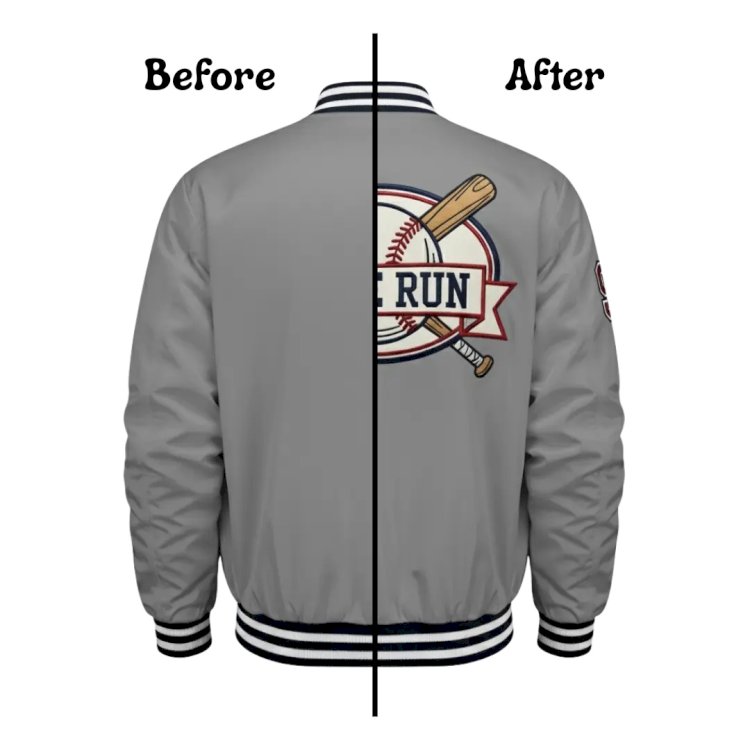
Custom apparel continues to play an important role in branding, identity, and marketing. Among various decoration methods, embroidery remains a preferred choice because of its durability and professional appearance. Jacket back embroidery, in particular, is widely used for bold and detailed designs that cover a large area. To achieve accurate and clean results, professional jacket back digitizing services are essential.
What Is Jacket Back Digitizing
Jacket back digitizing is the process of converting a large artwork into a machine ready embroidery file. This file guides embroidery machines on stitch type, direction, density, and sequencing. Unlike smaller designs, jacket back embroidery requires a more advanced approach due to its size and complexity.
Large designs often include multiple colors, intricate shapes, and fine details. Without proper digitizing, these elements can lose clarity or cause production issues. Professional digitizers ensure that each component of the artwork is translated into precise stitch instructions.
Importance of Scalability in Large Designs
Maintaining Design Accuracy
When artwork is expanded to fit the back of a jacket, maintaining its original quality becomes a challenge. Poor digitizing may lead to uneven edges, gaps, or distorted shapes. Skilled digitizers carefully scale the design while preserving proportions and alignment.
Avoiding Stitching Issues
Large embroidery files must be optimized to prevent thread breaks and inconsistencies. Proper planning ensures smooth machine operation and reduces interruptions during production.
Stitch Density and Pathing Optimization
Balanced Stitch Density
Stitch density directly affects both the appearance and performance of the embroidery. Excessive density can cause fabric puckering, while low density may result in gaps. Professional digitizing services calculate the ideal density based on design size and fabric type.
Efficient Stitch Pathing
Pathing refers to the sequence in which stitches are applied. Well planned pathing reduces unnecessary thread trims and jumps. This improves production speed and creates a cleaner finish.
Fabric Considerations in Jacket Embroidery
Different jacket materials respond differently to embroidery. Common fabrics include leather, denim, satin, and polyester blends. Each material requires specific adjustments in digitizing.
Digitizers modify underlay, stitch type, and pull compensation to suit the fabric. This ensures that the design maintains its shape and does not shift during stitching. Proper fabric handling also improves durability over time.
Preserving Fine Details in Large Artwork
Handling Complex Elements
Large designs often include detailed graphics, small text, and gradients. These elements require careful attention to maintain clarity. Digitizers use techniques such as angle variation and layering to retain definition.
Creating Depth and Texture
By adjusting stitch direction and layering, digitizers can create a sense of depth within the design. This enhances the overall appearance without compromising stitch quality.
Benefits for Businesses and Organizations
Jacket back digitizing services are widely used across different industries. Sports teams use them for bold team branding, while motorcycle groups rely on detailed back patches. Businesses also use embroidered jackets for promotional purposes and employee uniforms.
High quality digitizing ensures that every design reflects the intended message accurately. It also helps maintain consistency across multiple garments, which is important for brand identity.
Efficiency and Production Advantages
Outsourcing jacket back digitizing saves time and reduces workload. Large designs can be complex and require specialized skills. Professional services provide fast turnaround times while maintaining accuracy.
Consistent digitized files ensure that every jacket produced looks identical. This level of uniformity is essential for bulk orders and professional branding.
Role of Technology and Expertise
Modern digitizing software allows for stitch simulation and precise adjustments before production begins. However, software alone cannot guarantee quality results. The experience of the digitizer plays a key role in making critical decisions related to stitch types, density, and sequencing.
Combining technical tools with practical knowledge leads to reliable and efficient embroidery output.
Cost Effectiveness of Professional Digitizing
Investing in professional digitizing services can reduce long term costs. Poor digitizing often leads to production errors, wasted materials, and machine downtime. A properly digitized file runs smoothly and minimizes the need for corrections.
This results in better resource management and improved overall efficiency.
Conclusion
Jacket back digitizing services are essential for producing large format embroidery with accuracy and consistency. From maintaining design clarity to optimizing stitch performance, professional digitizing ensures high quality results. Businesses and organizations that rely on embroidered apparel benefit from improved efficiency, reduced errors, and strong visual presentation. Choosing expert digitizing services is a practical step toward achieving reliable and professional embroidery outcomes.
Frequently Asked Questions
What makes jacket back digitizing different from regular digitizing
Jacket back digitizing involves larger and more complex designs that require advanced planning for stitch density, sequencing, and fabric handling. It demands more precision compared to smaller embroidery designs.
Which file formats are commonly used in embroidery digitizing
Common formats include DST, PES, EXP, and JEF. The required format depends on the embroidery machine being used.
How long does it take to digitize a jacket back design
The turnaround time depends on the complexity and size of the artwork. Most professional services can complete it within a short timeframe while maintaining accuracy.
Can the same digitized file be used on different fabrics
In most cases, adjustments are needed when switching fabrics. Different materials respond differently to stitches, so digitizers often modify settings to ensure the best results.
What's Your Reaction?