The Science of Skin Aging Explained by Dermatech Polyclinic
Aging is a natural process, but understanding why and how our skin changes over time can empower us to protect it effectively. Derma clinic Dubai, a leader in dermatological care, combines medical expertise with advanced technology to explain the science behind skin aging and the strategies to slow its visible effects. This article breaks down the biological mechanisms, contributing factors, and innovative treatments designed to maintain youthful, healthy skin.
What Happens to Skin as We Age?
Skin aging is influenced by intrinsic and extrinsic factors. Intrinsic aging, also called chronological aging, occurs naturally over time due to genetic programming. Extrinsic aging, on the other hand, results from environmental and lifestyle factors such as sun exposure, pollution, smoking, and poor nutrition.
Key biological changes in aging skin include:
-
Collagen and Elastin Degradation: Collagen provides structure and firmness, while elastin ensures elasticity. Both decrease over time, leading to sagging and fine lines.
-
Reduced Hydration: Natural oils decline, resulting in dryness and a dull appearance.
-
Thinning of the Epidermis: The outer layer becomes thinner, making the skin more fragile and susceptible to damage.
-
Slower Cellular Turnover: New skin cells are generated more slowly, reducing the ability to repair damage and maintain a smooth texture.
-
Pigmentation Changes: Sun exposure and oxidative stress can cause age spots and uneven skin tone.
Understanding these mechanisms helps in designing effective preventative and corrective strategies.
Intrinsic vs. Extrinsic Aging:
Dermatech Polyclinic emphasizes the importance of distinguishing between intrinsic and extrinsic aging to tailor treatments appropriately.
-
Intrinsic Aging:
-
Genetically determined
-
Fine lines and gradual sagging
-
Dryness and mild pigmentation
-
-
Extrinsic Aging:
-
Accelerated by sun damage, smoking, and pollution
-
Deep wrinkles and pronounced sagging
-
Hyperpigmentation, redness, and dullness
-
While intrinsic aging is inevitable, extrinsic aging can be significantly slowed with proper skin care and preventive treatments.
Cellular Mechanisms Behind Skin Aging:
At the cellular level, skin aging involves multiple complex processes:
-
Oxidative Stress: Free radicals generated by UV exposure, pollution, and lifestyle habits damage cells and accelerate collagen breakdown.
-
Telomere Shortening: Each time a cell divides, telomeres—protective DNA caps—shorten, eventually leading to cellular senescence.
-
Glycation: Sugar molecules bind to collagen and elastin, forming advanced glycation end-products (AGEs) that stiffen and weaken skin fibers.
-
Inflammation: Chronic low-level inflammation contributes to tissue breakdown and visible aging signs.
By targeting these mechanisms, treatments at Dermatech Polyclinic aim to slow or mitigate the cellular processes responsible for skin aging.
Preventative Measures Recommended by Dermatech Polyclinic:
Prevention is the cornerstone of maintaining youthful skin. Dermatech Polyclinic suggests a combination of professional treatments and daily habits to reduce the impact of aging:
Sun Protection:
Daily application of broad-spectrum sunscreen shields against UVA and UVB rays, preventing premature wrinkles, pigmentation, and DNA damage.
Antioxidant Therapy:
Topical antioxidants such as vitamin C and E neutralize free radicals, supporting collagen preservation and skin repair.
Hydration and Barrier Support:
Moisturizers and serums containing hyaluronic acid or ceramides maintain hydration, strengthen the skin barrier, and reduce sensitivity.
Minimally Invasive Treatments:
-
Laser Therapy: Stimulates collagen and improves skin texture
-
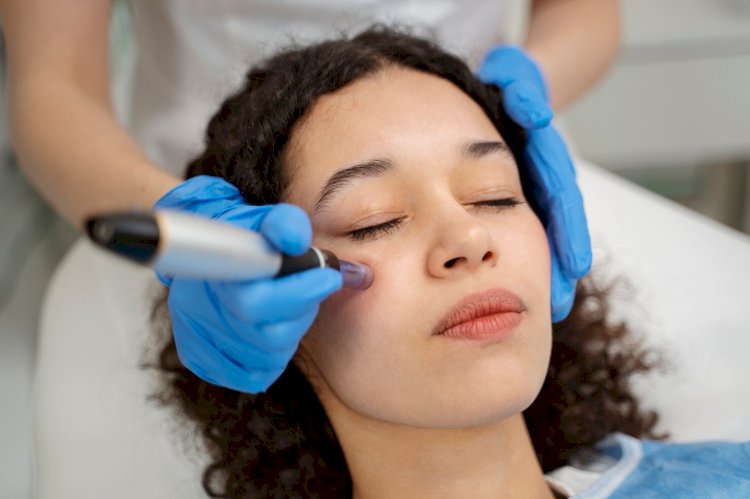
Microneedling: Enhances cellular regeneration and serum absorption
-
Chemical Peels: Promote cell turnover and reduce pigmentation irregularities
Healthy Lifestyle Choices:
-
Balanced diet rich in antioxidants and omega-3 fatty acids
-
Adequate sleep for cellular repair
-
Stress management to reduce inflammation
-
Avoiding smoking and excessive alcohol consumption
Signs of Skin Aging and Early Detection:
Early detection of aging signs allows for more effective interventions. Dermatech Polyclinic highlights the following indicators:
-
Fine lines around eyes and mouth
-
Loss of skin firmness
-
Uneven pigmentation or dark spots
-
Dryness and dull complexion
-
Enlarged pores
Routine professional skin assessments enable personalized plans that slow progression and maintain a youthful appearance.
Advanced Treatments to Combat Skin Aging:
Dermatech Polyclinic integrates science-backed treatments to address aging at both surface and cellular levels:
-
Radiofrequency Therapy: Tightens skin by stimulating collagen production
-
PRP (Platelet-Rich Plasma) Therapy: Accelerates tissue regeneration and reduces wrinkles
-
Fractional Laser Resurfacing: Improves texture, tone, and pigmentation
-
Targeted Peptide and Growth Factor Serums: Support skin repair and elasticity
These therapies are combined with lifestyle guidance and home care routines to deliver optimal results.
The Role of Genetics vs. Environment:
While genetics set the baseline for how skin ages, environmental factors play a significant role in accelerating or slowing the process. Dermatech polyclinic emphasizes a dual approach:
-
Genetic Awareness: Understanding inherited tendencies to pigmentation, elasticity loss, or dryness helps customize treatments.
-
Environmental Control: Minimizing sun exposure, pollution impact, and lifestyle-induced oxidative stress can significantly delay visible aging.
Conclusion:
The science of skin aging is complex, involving genetic, cellular, and environmental factors. Dermatech Polyclinic combines education, prevention, and advanced treatments to address both intrinsic and extrinsic aging. By understanding the biological mechanisms behind aging, individuals can adopt strategies that preserve skin health, delay visible signs, and maintain a radiant, youthful complexion. Early intervention, consistent protection, and personalized care are key to long-term skin wellness.
What's Your Reaction?