What Makes a Full STD Panel Different From At-Home Tests?
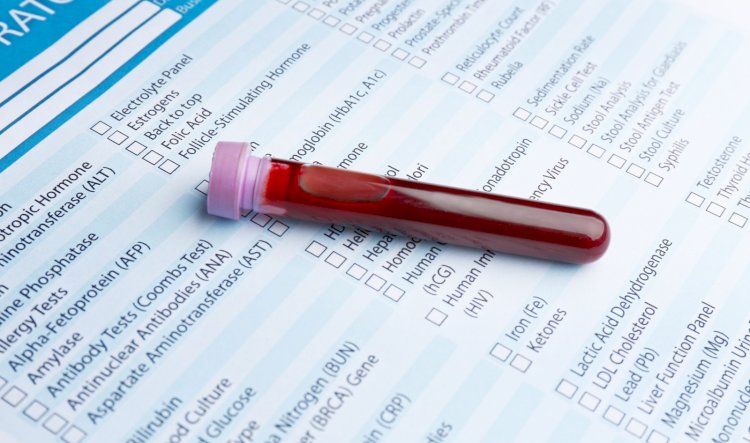
Sexually transmitted infections remain a prevalent concern, and many individuals are exploring testing options to maintain sexual health. While at-home tests offer convenience, a Full STD Panel in Dubai provides comprehensive screening and professional oversight that at-home kits cannot fully replicate. Understanding the differences between these testing approaches helps individuals make informed choices about accuracy, coverage, and long-term sexual wellness.
Scope of Testing:
A full STD panel screens for multiple bacterial, viral, and parasitic infections in one comprehensive session. Typical infections included are:
-
Chlamydia and gonorrhea
-
Syphilis
-
HIV
-
Hepatitis B and C
-
Herpes (HSV-1 and HSV-2)
-
Trichomoniasis or HPV in some panels
At-home tests usually focus on a single infection or a limited group, meaning asymptomatic or co-existing infections may go undetected. Comprehensive testing ensures that hidden infections are identified early, allowing for timely care.
Accuracy and Reliability:
Full STD panels are conducted in certified laboratories with advanced testing methods, such as nucleic acid amplification tests (NAATs) for bacterial infections and enzyme-linked immunosorbent assays (ELISA) for viral infections. These methods provide higher sensitivity and specificity, reducing the risk of false positives or negatives.
At-home tests, while convenient, may rely on simplified sampling or rapid antibody detection, which can be less accurate, especially during window periods. Professional testing ensures reliable results that inform appropriate treatment and preventive measures.
Sample Collection and Professional Oversight:
Full STD panel testing involves trained healthcare providers collecting samples through blood draws, urine, or swabs, ensuring proper technique and handling. Accurate sample collection is critical for reliable results.
At-home tests rely on self-collected samples, which can increase the likelihood of errors, such as insufficient specimen volume, contamination, or improper storage. Professional oversight in full panels minimizes these risks and guarantees accurate diagnostic outcomes.
Comprehensive Counseling and Follow-Up:
Full STD panels include professional interpretation of results and personalized counseling. Healthcare providers guide patients through next steps, including treatment, retesting, partner notification, and preventive measures.
At-home tests often provide results without professional support, leaving individuals responsible for interpreting outcomes, arranging confirmatory testing, and managing treatment independently. This lack of guidance may delay care and increase anxiety.
Window Period Considerations:
Each infection has a window period—the time between exposure and detectability. Full STD panels are scheduled with these periods in mind, ensuring tests are conducted at times that maximize accuracy.
At-home tests may not account for window periods as effectively, increasing the likelihood of false negatives if testing occurs too soon after exposure. Professional testing ensures that timing aligns with reliable detection.
Legal and Privacy Protections:
Full STD panels conducted through clinics or laboratories adhere to strict privacy and regulatory standards, protecting patient information and ensuring proper documentation for medical records.
While at-home tests are designed for privacy, they may vary in terms of data protection and confidentiality, depending on the manufacturer. Professional testing provides both medical oversight and secure handling of sensitive information.
Benefits Beyond Testing:
Full STD panels provide more than a result—they integrate testing into a broader preventive health strategy. Results serve as a baseline for ongoing monitoring, inform personalized healthcare recommendations, and facilitate preventive care like vaccinations, lifestyle adjustments, and safer sexual practices.
At-home tests provide convenience and initial insight but lack the comprehensive health context that comes with professional testing. Individuals benefit from a more holistic approach with full STD panels.
When At-Home Tests May Be Useful?
At-home tests can be helpful for:
-
Quick initial screening for specific infections
-
Individuals with limited access to healthcare facilities
-
People seeking privacy before professional confirmation
However, any positive or uncertain results should be followed by a full STD panel to ensure accurate diagnosis, appropriate treatment, and long-term health management.
Making the Right Choice:
Choosing between a Full STD Panel and at-home testing depends on individual needs:
-
Comprehensive screening: Full panel
-
Professional guidance and treatment: Full panel
-
Convenience or privacy: At-home test for initial screening
-
Accurate long-term sexual health planning: Full panel
Understanding these differences empowers individuals to prioritize both accuracy and preventive care, ensuring responsible sexual health management.
Final Thoughts:
While at-home STD tests provide convenience and initial insights, a full STD panel offers comprehensive coverage, professional oversight, accurate results, and guidance for treatment and prevention. For those committed to long-term sexual wellness, early detection, and responsible care, a full STD panel remains the superior choice.
By combining accurate testing with counseling, preventive measures, and follow-up, full STD panels protect personal and partner health, reduce the spread of infections, and support holistic sexual wellness. Choosing professional, comprehensive testing is not just about results—it’s about proactive, informed, and sustainable sexual health.
What's Your Reaction?